Editorial Note: This article is written based on topic research and editorial review.
A detailed resource addressing the access of web series content, particularly from unofficial sources, while simultaneously presenting a range of legitimate subscription-based and free-to-access platforms, serves as a crucial navigational tool for digital consumers. Such an encompassing document aims to educate users on the intricate landscape of online entertainment, highlighting the diverse methods through which episodic content is distributed, accessed, and consumed across the internet. It fundamentally serves as a comparative analysis and instructional aid for navigating the complexities of digital media consumption.
The utility of such an exhaustive overview becomes increasingly evident in an era characterized by a vast, often confusing, array of streaming options. It empowers individuals by illuminating the critical distinctions between authorized and unauthorized content providers, thereby fostering informed decision-making regarding digital consumption habits. Historically, the rapid proliferation of unofficial content aggregators emerged concurrently with the exponential growth of mainstream streaming services, creating a parallel ecosystem that necessitates clear and unbiased guidance for users seeking specific series without infringing on intellectual property rights or compromising digital security.
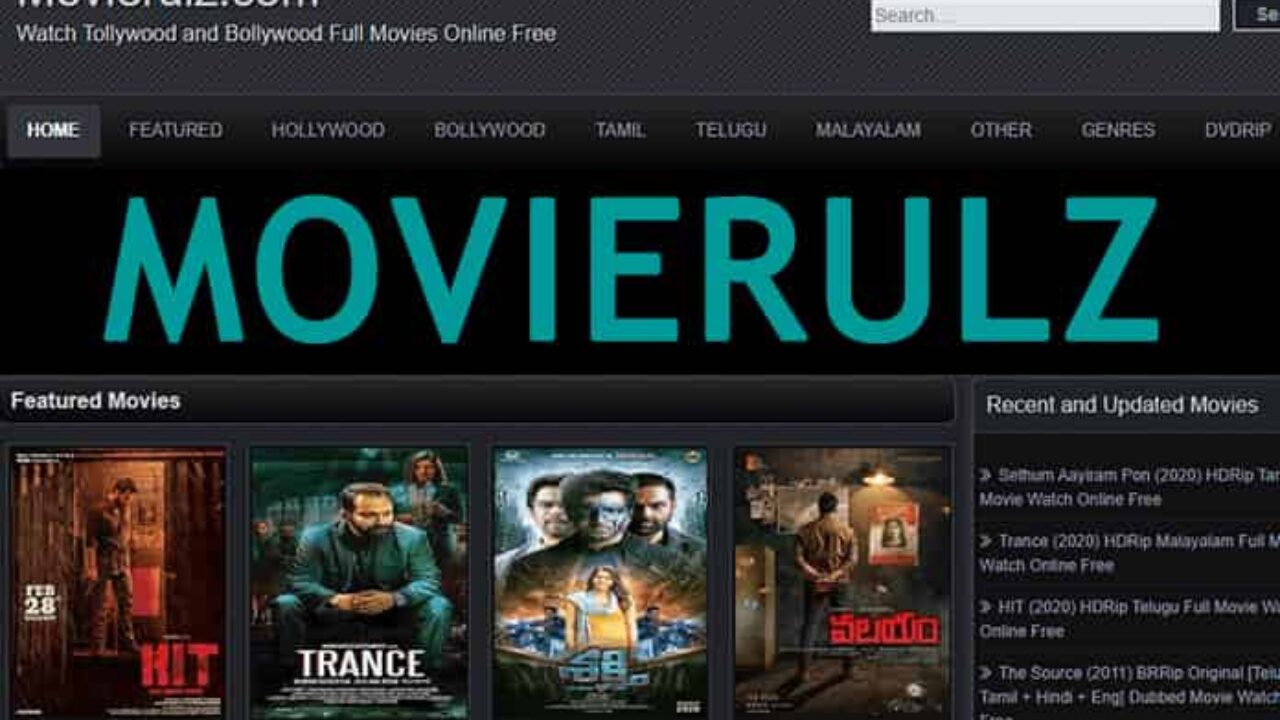
An article structured around this topic would typically delve into the functionalities, content availability, and potential risks associated with accessing content via unverified portals, detailing common security threats such as malware and phishing, alongside legal ramifications. Concurrently, it would meticulously enumerate and compare legitimate streaming services, examining their subscription models, content libraries, user interfaces, and accessibility features. The overarching objective is to equip audiences with the knowledge to safely, ethically, and legally enjoy their preferred web series, promoting responsible digital citizenship and a greater understanding of the digital content ecosystem.
Conclusion
The preceding exploration has systematically addressed the complexities inherent in accessing web series content, specifically framing it within the context of prevalent unauthorized platforms and the imperative for comprehensive guidance toward legal alternatives. This detailed exposition has highlighted the significant security and legal vulnerabilities associated with unofficial streaming sources, juxtaposing these risks against the inherent advantages of licensed services, which offer secure, high-quality content delivery while upholding intellectual property rights. Through a structured series of frequently asked questions and actionable recommendations, a clear pathway has been delineated for users to distinguish between legitimate and illicit content channels, emphasizing the critical importance of informed decision-making in the digital realm.
Ultimately, the conscious selection of authorized streaming avenues transcends mere compliance; it represents a fundamental commitment to responsible digital citizenship. Such choices directly bolster the creative industries, ensuring the continued viability and innovation of web series production globally. As the digital entertainment landscape continues its rapid evolution, the principles of ethical content consumption and personal digital security remain paramount. Adherence to these guidelines not only safeguards individual digital well-being but also contributes significantly to a sustainable and thriving ecosystem for content creators and distributors alike, fostering an environment where artistic endeavors are respected and appropriately compensated.